

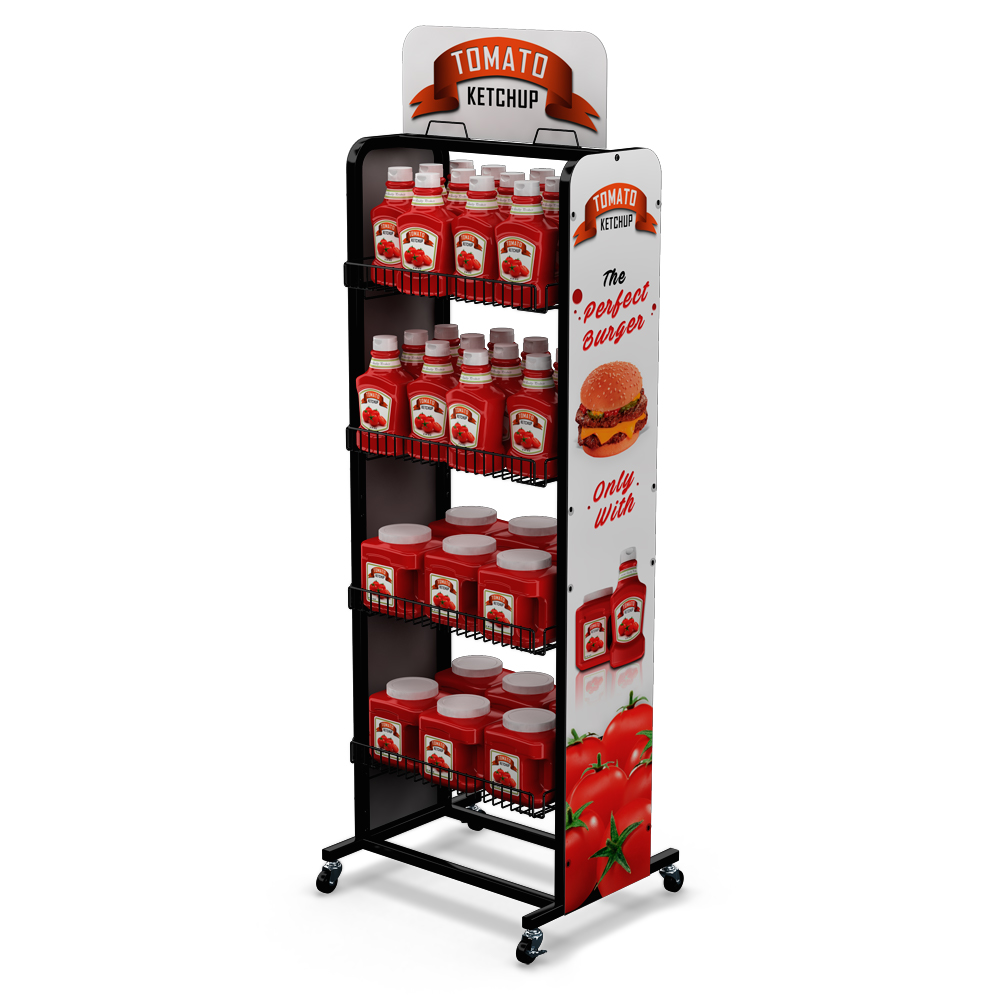
In the fiercely competitive retail world, drawing customers’ attention is essential to make a sale. This is made possible by custom point-of-purchase (POP) displays, which increase the exposure of products and have a direct impact on purchase decisions at the point of sale. These exhibits are purposefully made to draw attention, emphasize key aspects of the products, and eventually increase sales. It is impossible to exaggerate their significance in the retail industry because they are an effective marketing strategy that closes the gap between advertising and the actual purchase decision. Not only can a custom POP display draw attention, but it also acts as a silent salesperson, influencing the customer’s choice to buy at just the right time.
Enhancing Brand Visibility
Custom POP displays offer a unique opportunity to enhance brand visibility within a retail setting. Unlike generic displays, custom POP displays are tailored to reflect a brand’s identity, making the product stand out on crowded shelves. These displays can incorporate brand colors, logos, and messaging that resonate with the target audience, reinforcing brand recognition and loyalty. By creating a visually appealing and memorable presentation, custom POP displays ensure that products are noticed and remembered by consumers.
Driving Impulse Purchases
Among their greatest advantages is the potential of custom POP displays to encourage impulsive purchasing. These displays are frequently placed in busy places, such as checkout lines or store entrances, where they can draw in customers who may not have originally intended to purchase the item. The eye-catching layout and clever placement of custom POP displays can encourage customers to make impulsive purchases, boosting overall sales.
Differentiating Your Product
In a marketplace flooded with similar products, differentiation is key to attracting customers. Custom POP displays provide a platform to highlight what makes your product unique. Whether it’s through innovative design, interactive elements, or creative use of materials, these displays can effectively communicate your product’s unique selling points. This differentiation not only captures consumer interest but also enhances the perceived value of the product.
Retail space is often limited and expensive, making it essential to use it efficiently. Custom POP displays are designed to maximize the use of available space while ensuring that the product is presented in the best possible light. These displays can be tailored to fit various retail environments, from small convenience stores to supermarkets. By optimizing the display layout, retailers can showcase more products within the same footprint, thereby increasing product visibility and sales potential.
Creating a Memorable Shopping Experience
Custom POP displays help to make shopping memorable, which is crucial for fostering consumer loyalty. Through touch, sound, and visual appeal, these displays can appeal to numerous senses, making for a more engaging buying experience. A well-thought-out POP display may make an ordinary shopping trip exciting and memorable, promoting return business and enduring patronage.
Measuring the Effectiveness of Custom POP Displays
Measuring the efficacy of unique POP displays is crucial to maximizing their impact. Numerous indicators, including return on investment (ROI), customer engagement, and sales lift, can be used to measure this. Retailers may enhance their POP display campaigns and their strategies by studying these analytics and learning what works and what doesn’t.
Conclusion
Custom POP displays are a vital component of successful retail marketing strategies. They enhance brand visibility, drive impulse purchases, differentiate products, and maximize retail space. By leveraging the right materials and technologies and focusing on creating memorable shopping experiences, retailers can significantly boost their sales and build stronger connections with consumers. POP displays are an essential tool for any brand hoping to compete in a competitive market, and their significance will only increase as the retail industry develops.